Insurance and Safety for Rug Cleaning Professionals
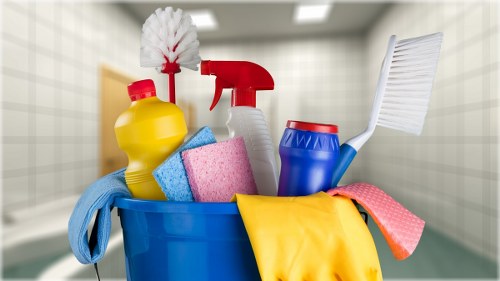 In modern rug cleaning operations, safety and insurance are inseparable from quality service delivery. Whether providing domestic rug cleaning or commercial area rug refurbishment, a clear, published approach to public liability insurance, staff competency and on-site risk management reassures clients and protects the team. This page outlines how responsible rug cleaning services manage exposure to risk, maintain industry-standard insurance, and create a safety culture among rug cleaners and technicians.
Public liability is fundamental for any reputable rug cleaning services provider. Adequate cover protects both the business and the client against accidental damage, bodily injury or third-party property loss during cleaning operations. Insurance policies typically cover accidental spillage, furniture damage during pad placement or moving, and trampling damage to sensitive floor coverings. Maintaining insurance also supports contract requirements for larger commercial jobs and demonstrates the provider’s commitment to professional rug care standards.
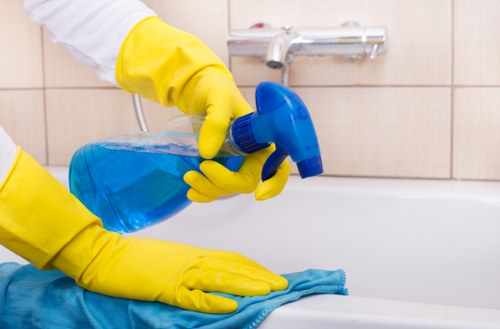 A robust risk assessment process is the cornerstone of safe rug cleaning. Before any job, a formal site survey identifies potential hazards such as fragile textiles, chemicals present on-site, uneven floors, access restrictions, and environmental factors like high humidity or poor ventilation. This process feeds into a written risk assessment that assigns control measures, responsibility, and acceptable limits for cleaning techniques, ensuring that every area rug is treated using an appropriate, low-risk method.
Risk Assessment Process and Controls
Risk assessments for rug cleaning follow a standardized sequence: survey, hazard identification, likelihood and severity estimation, control selection and documentation. Assessors inspect the rug fibers, backing, dyes and any pre-existing damage before choosing chemical concentrations, water temperatures and mechanical agitation levels. The assessment also considers site-specific risks such as stair use, confined spaces and public footfall. All findings are recorded and retained with the job file to inform follow-up visits and future service planning.
Control measures are practical and scalable. They can include simple steps—clearly sealing off work areas, placing warning signage, and using protective floor coverings—to technical responses such as altering drying methods to reduce mold risk. Documentation of control measures creates accountability and supports continuous improvement, ensuring that every rug cleaning task is completed with minimum disruption.
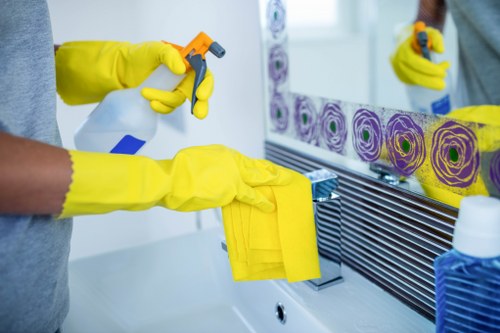 Staff training is as important as insurance. Well-trained rug cleaners understand fiber types, cleaning chemistry, and the mechanical impact of equipment. Formal induction programs, competency assessments and periodic refresher training ensure that technicians know how to operate machines safely, mix detergents correctly and respond to on-site hazards. Strong training programs include practical assessments, written procedures and shadowing experienced operators until competence is demonstrated.
Personal Protective Equipment and Operational Safety
Personal protective equipment (PPE) is chosen according to the risk assessment and is non-negotiable on-site. Typical PPE for rug cleaning includes gloves (chemical resistant), eye protection, non-slip footwear and, where dust or aerosolized residues are likely, suitable respiratory protection. PPE reduces the likelihood of skin irritation, inhalation of fumes or slips when handling wet rugs and cleaning solutions.
![The image depicts a person wearing blue-green rubber gloves using a yellow cloth to clean a smooth, light-coloured countertop, possibly in a kitchen or utility area. The surface appears to be made of a solid material such as laminate or quartz, with some visible water or cleaning solution residue. The background shows a blurred view of kitchen appliances and fixtures, including a kettle and other objects, suggesting a domestic setting in the UK, potentially within a property in [Town] or the [Postcode] area. The area is well-lit, emphasizing cleanliness and hygiene, relevant to professional cleaning services like those provided by Rug Cleaning, which specialises in maintaining pristine domestic or commercial environments. The careful cleaning action indicates attention to detail in ensuring surfaces are thoroughly sanitized, reflecting the high standards associated with reputable cleaning companies. Overall, the scene highlights a focus on meticulous surface cleaning in a residential or light commercial kitchen environment, aligned with the importance of safety and hygiene in professional cleaning practices across the UK.](/pub/_photos/cleaning/f1440919360.jpg) Operational safety procedures complement PPE. These procedures cover safe lifting techniques for heavy rugs, secure use of ramps and trolleys, safe storage of chemicals in labeled containers and spill response steps. Emergency measures are rehearsed, covering first aid, evacuation routes and containment of chemical spills. These protocols are reviewed regularly to align with evolving best practices for rug care safety.
Operational safety procedures complement PPE. These procedures cover safe lifting techniques for heavy rugs, secure use of ramps and trolleys, safe storage of chemicals in labeled containers and spill response steps. Emergency measures are rehearsed, covering first aid, evacuation routes and containment of chemical spills. These protocols are reviewed regularly to align with evolving best practices for rug care safety.
![A close-up view of a person wearing bright yellow rubber gloves, cleaning a black glass kitchen stovetop with a damp green cloth. The background features a tiled kitchen wall, a green dish brush, a lime green utensil holder, and a green polka-dotted cup, all positioned on a light-colored countertop. The scene depicts a well-maintained, organized kitchen space, with visible cleaning tools suggesting professional or thorough domestic cleaning typical in homes or offices in the [POSTCODE] or [TOWN] area. The image emphasizes the importance of surface cleanliness and careful attention to detail in kitchen upkeep, aligning with professional cleaning services offered by Rug Cleaning, as seen on the page dedicated to Insurance and Safety at rugcleaning.org.uk.](/pub/_photos/cleaning/f1435021256.jpg) Insurance review and administrative controls underpin all practical measures. Providers retain certificates of insurance, incident logs and training records and review them at scheduled intervals. This administrative work ensures that public liability policies remain current and that any patterns in near-misses or incidents are addressed through revised training or engineering controls. Strong record-keeping also simplifies claims handling should an accident occur, reducing disruption to both the customer and the cleaning operation.
Insurance review and administrative controls underpin all practical measures. Providers retain certificates of insurance, incident logs and training records and review them at scheduled intervals. This administrative work ensures that public liability policies remain current and that any patterns in near-misses or incidents are addressed through revised training or engineering controls. Strong record-keeping also simplifies claims handling should an accident occur, reducing disruption to both the customer and the cleaning operation.
Implementation of these elements—adequate public liability cover, a clear risk assessment process, rigorous staff training and consistent PPE use—creates a comprehensive safety net for modern rug cleaning businesses. Safe rug cleaning is not just about avoiding claims; it’s about delivering dependable, high-quality outcomes that preserve rugs, protect people and maintain business continuity.
Typical checklists used by reputable rug cleaners include items such as:
- Verification of insurance limits and policy dates
- Pre-service risk survey completed and signed
- Training and competency record confirmation for assigned staff
- PPE availability and correct use on site
- Post-job inspection and client information on care and drying times
In summary, combining public liability insurance with disciplined risk assessment, structured staff training and appropriate PPE is the best practice framework for any organization offering rug cleaning services. This integrated approach protects clients and staff, minimizes the potential for accidental damage and ensures consistent, professional results for treasured rugs of all types.