Health and Safety Policy for Rug Cleaning Operations
 Purpose and scope: This health and safety policy describes standards and expectations for all rug cleaning, rug-care and carpet and rug cleaning activities carried out by our teams. It sets out roles, safe working practices and controls to reduce risk during on-site and off-site rug-cleaning services, including hand cleaning, machine extraction and specialised textile restoration. The policy applies to employees, contractors and anyone involved in handling, treating or transporting rugs.
Managers are responsible for implementation and oversight, while staff are expected to follow safe systems of work. This document emphasises that safe rug cleaning is a shared responsibility: prevention of harm relies on training, proper equipment, and adherence to procedures. The policy covers manual handling, chemical use, electrical appliance safety, and infection control relevant to rug sanitation and maintenance.
Risk assessment and hazard control
Regular risk assessments for all rug-cleaning procedures must be carried out and recorded. Common hazards include:- Manual handling injuries from moving heavy or awkward rugs, rolled goods, and portable machines.
- Exposure to cleaning chemicals, solvents and detergents used in rug-care treatments.
- Slip, trip and fall risks from wet floors after extraction or rinsing processes.
- Electrical hazards from extraction units, vacuums and other powered equipment.
- Biological hazards when dealing with contaminated items (mould, body fluids, pests).
Control measures: personal protective equipment and safe handling
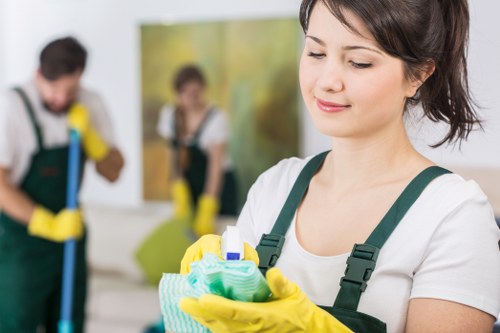
Use of appropriate PPE is mandatory during all rug cleaning and restoration tasks. This includes gloves, eye protection, slip-resistant footwear, and respiratory protection where aerosols or strong chemicals are present. Staff must use mechanical aids or team lifts for heavy rugs and rolled carpets to minimise manual handling injuries.![In a well-lit kitchen or utility room, a person wearing a light grey top is holding a spray bottle with a blue nozzle, gripping it with their right hand which is covered by a bright yellow cleaning glove. The background is softly blurred but suggests a clean, tidy space with neutral colours, highlighting the focus on the cleaning action. The surface in the foreground appears to be a polished countertop or table, potentially made of wood or laminate, reflecting a clean and maintained environment. The person's posture and the presence of cleaning gloves suggest readiness for detailed cleaning tasks, emphasizing professional hygiene standards. This scene subtly associates with quality cleaning services available in the local area, such as in [TOWN], and aligns with best practices by showing appropriate cleaning equipment. The overall atmosphere is professional, emphasizing thorough and safe cleaning practices in residential or commercial settings, consistent with the services offered by Rug Cleaning, located in the postcode area of [POSTCODE].](/pub/_photos/cleaning/f1297147288.jpg) Chemical safety procedures should be followed: store products in labelled containers, use dilution rates recommended by manufacturers, and keep safety data sheets accessible. Substitute less hazardous products where practical. All staff must be trained in safe mixing, application and neutralisation techniques as part of routine rug cleaning services.
Chemical safety procedures should be followed: store products in labelled containers, use dilution rates recommended by manufacturers, and keep safety data sheets accessible. Substitute less hazardous products where practical. All staff must be trained in safe mixing, application and neutralisation techniques as part of routine rug cleaning services.
Electrical safety and machine maintenance are essential for safe rug-cleaning operations. Machines must be inspected before use, PAT-tested where applicable, and connected to appropriate power supplies. Cables should be routed to avoid trip hazards and machines turned off and isolated before maintenance. Extraction units should be fitted with recommended filters and regularly serviced.
Emergency and incident response must be clear, practicable and rehearsed. First aid provisions should reflect the risks associated with rug processing (chemical exposure, cuts, strains). Fire safety arrangements must account for flammable materials used in stain removal or storage. All incidents, near misses and exposures are to be reported and investigated so corrective actions can be implemented.
![A person wearing purple disposable gloves is cleaning a glass window with a blue microfiber cloth in a domestic setting, likely in a kitchen or bathroom within a property near [TOWN] in the UK. The individual's hand is pressed firmly against the glass, which appears clean and free of streaks, suggesting a professional approach to window or surface cleaning. In the background, there are blurred elements that may include wooden cabinet surfaces or tiled walls, hinting at a well-maintained interior environment. The scene emphasizes attention to detail in cleanliness, reflecting high standards typical of professional cleaning services like those offered by Rug Cleaning. Adequate lighting illuminates the area, highlighting the clarity and condition of the glass surface, and the overall atmosphere suggests a focus on hygiene and surface maintenance, essential aspects in residential or commercial spaces throughout the UK. The image is relevant to the company's cleaning operations and their focus on health and safety policies in maintaining pristine environments.](/pub/_photos/cleaning/f3383918592.jpg) Environmental and waste management policies should be observed. Wastewater from cleaning processes must be handled to avoid contamination of drains and surrounding areas. Waste solutions, used pads and contaminated materials should be segregated and disposed of responsibly, following local environmental requirements and the organisation’s environmental controls.
Environmental and waste management policies should be observed. Wastewater from cleaning processes must be handled to avoid contamination of drains and surrounding areas. Waste solutions, used pads and contaminated materials should be segregated and disposed of responsibly, following local environmental requirements and the organisation’s environmental controls.
 Training, competence and supervision are central to reducing risk in rug-cleaning activities. Staff must receive induction and periodic refresher training on safe rug handling, chemical use, machine operation and emergency procedures. Supervisors should monitor performance and ensure that anyone undertaking specialist textile restoration work has demonstrable competence.
Storage, transportation and customer property handling: Rugs awaiting treatment must be stored on appropriate racks or surfaces to prevent damage and cross-contamination. All items should be labelled with customer details and processing instructions to avoid errors. When transporting rugs, secure loads properly and use suitable vehicles and tie-downs to prevent movement that could cause musculoskeletal injuries or product loss.
Inspections and audits: Routine workplace inspections and periodic safety audits will ensure that controls for rug cleaning safety remain effective. Checklists should include PPE availability, chemical storage, machine condition, housekeeping and correct signage for wet floors. Findings must be recorded and actioned promptly.
Communication and continuous improvement: This policy will be communicated to all staff and relevant parties. Safety briefings and toolbox talks should address seasonal risks and changes in processes. The organisation is committed to reviewing this policy at regular intervals or following significant incidents to ensure the highest standards of safety in rug-cleaning operations are maintained.
Responsibilities summary:
- Management: Provide resources, training and oversight for safe rug-cleaning practices.
- Supervisors: Ensure compliance, conduct inspections and support staff competency.
- Staff: Follow procedures, use PPE and report hazards or incidents promptly.
By embedding these health and safety principles into everyday rug cleaning and restoration work, the organisation ensures a safer workplace, protects customer property and promotes high-quality rug care. Regular review and staff engagement will sustain an effective safety culture focused on prevention and continuous improvement.